
Sound for a mosque: intelligibility, reverberation and zones
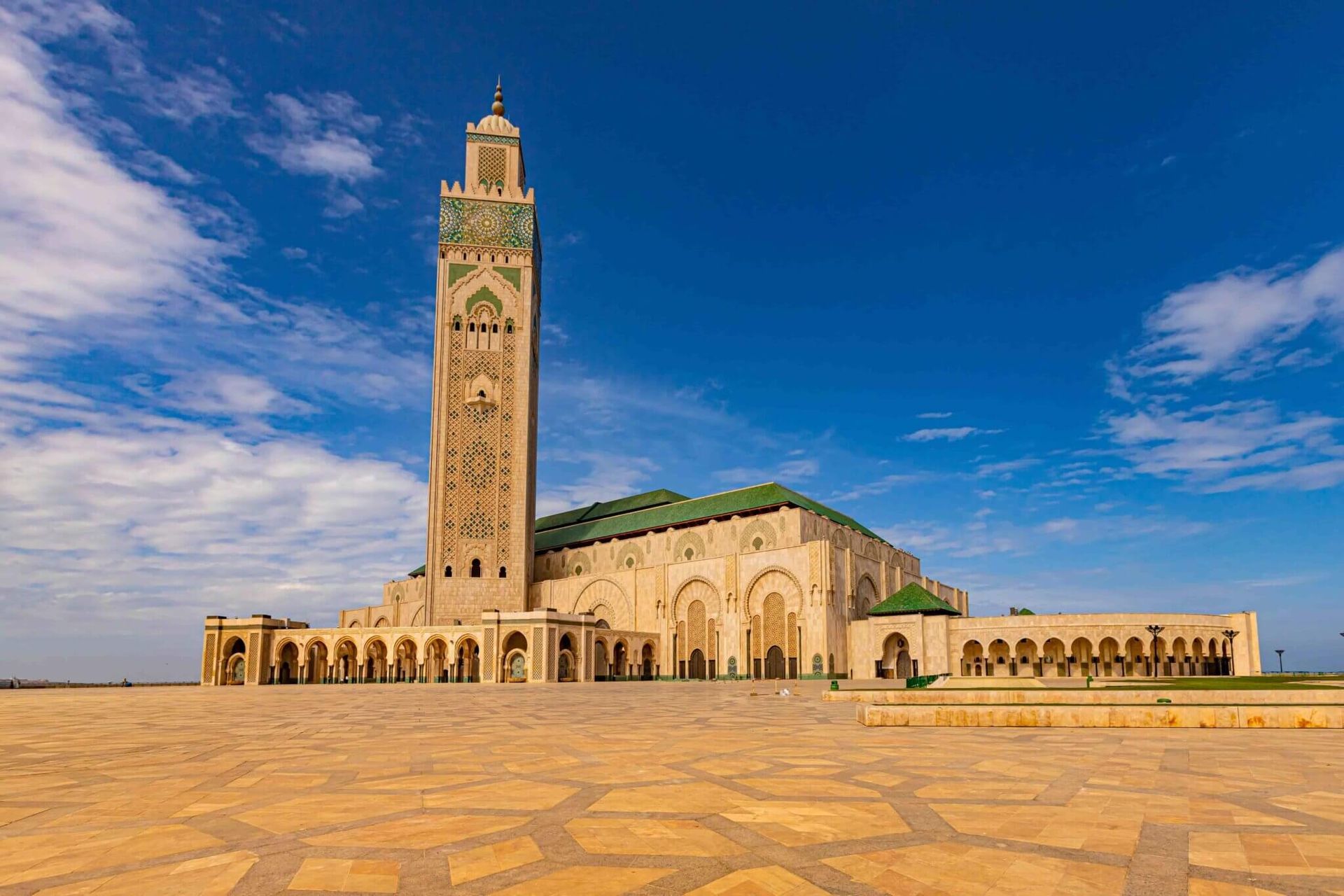
In a mosque, the sound system has a precise mission: to carry the imam’s voice, clear and natural, to the last row, sometimes under a dome, between marble or plaster walls, with worshippers spread across several spaces. Unlike a concert, what matters is not power but speech intelligibility. Here are the principles to know before starting a project.
Intelligibility matters more than power
Turning up the volume does not improve understanding. In a reverberant room, more volume feeds the reverberation even more, and words blur. Speech is understood through its consonants, which are short and low in energy, and which reverberation erases first.
A standardised indicator measures this: the STI (Speech Transmission Index), rated from 0 to 1. Above 0.6, intelligibility is generally considered good; below 0.45, it is poor.
The three enemies of the voice
- Reverberation: domes, high ceilings, marble, tiles and plaster prolong the sound. Carpets and worshippers absorb some of it, rarely enough.
- Distance: the further you are from the source, the weaker the direct sound is compared with the reverberant sound. At the back of the room, the imam’s voice arrives drowned out.
- Delays between sources: sound travels at about 340 metres per second. A speaker 17 metres further away plays the same voice 50 milliseconds later; from about 30 to 50 milliseconds, the ear hears a distinct echo.
Several nearby speakers rather than one powerful source
The principle: bring the speakers closer to the worshippers and lower the level of each. This excites the room’s reverberation less. A distributed system (columns or wall or ceiling speakers in sufficient number) generally gives better intelligibility than a single high-power central point.
Column speakers with controlled directivity aim the sound at the worshippers rather than at the walls and dome: they suit reverberant rooms. The choice and placement of speakers are decided by a coverage study, before buying equipment.
Delay the rear zones
When several speakers play the same voice, they must be synchronised. An audio processor (DSP) applies a delay to the rear speakers so that their sound arrives just after that of the front speakers. Worshippers then perceive the voice as coming from the imam’s direction, without echo.
The microphone, first link in the chain
A voice that is poorly picked up will never be reproduced well. A wireless microphone (headset or handheld) suits the imam during prayer; a fixed or gooseneck microphone suits the minbar for the Friday khutbah.
The main risk is feedback, the whistle that appears when sound from the speakers returns into the microphone. It is limited by setting the gain carefully, avoiding pointing speakers at the microphone, keeping the mouth close to the microphone and equalising the frequencies that ring first.
Think in zones
Main hall, women’s area or gallery, annex rooms, courtyard: each zone has its own volume, delay and sometimes source needs. A multi-zone mixer-amplifier or an audio processor lets you set them separately.
The call to prayer broadcast outdoors is handled separately, with long-range horn speakers independent of the indoor system. It must take the neighbourhood into account.
Measure and tune on site
A system is only finished once it has been tuned in the room. After installation, intelligibility is measured and listening is done in several places: near the imam, in the middle, at the back, under the dome, in the gallery. Equalisation and delays are then adjusted.
What to prepare before requesting a quote
- The plan or dimensions of the room: area, height, dome
- The materials of the walls, floor and ceiling
- The number of worshippers at the main prayers
- The zones to cover: main hall, women’s area, annexes, courtyard
- The uses: prayers, khutbah, classes, lectures, call to prayer
- Aesthetic constraints: discreet speakers, colours, elements to preserve
- The location of the technical room and cable routes
Conclusion
Providing sound for a mosque mostly calls for a good study: room acoustics, speaker distribution, tuning on site. A quote prepared without visiting the venue can only rest on assumptions.
Preparing a sound project for a mosque? Describe the venue to us: a technician will call you back to schedule a visit.
A sound or video project? Let’s talk.
Request a quote